Importance of Smoke Detector
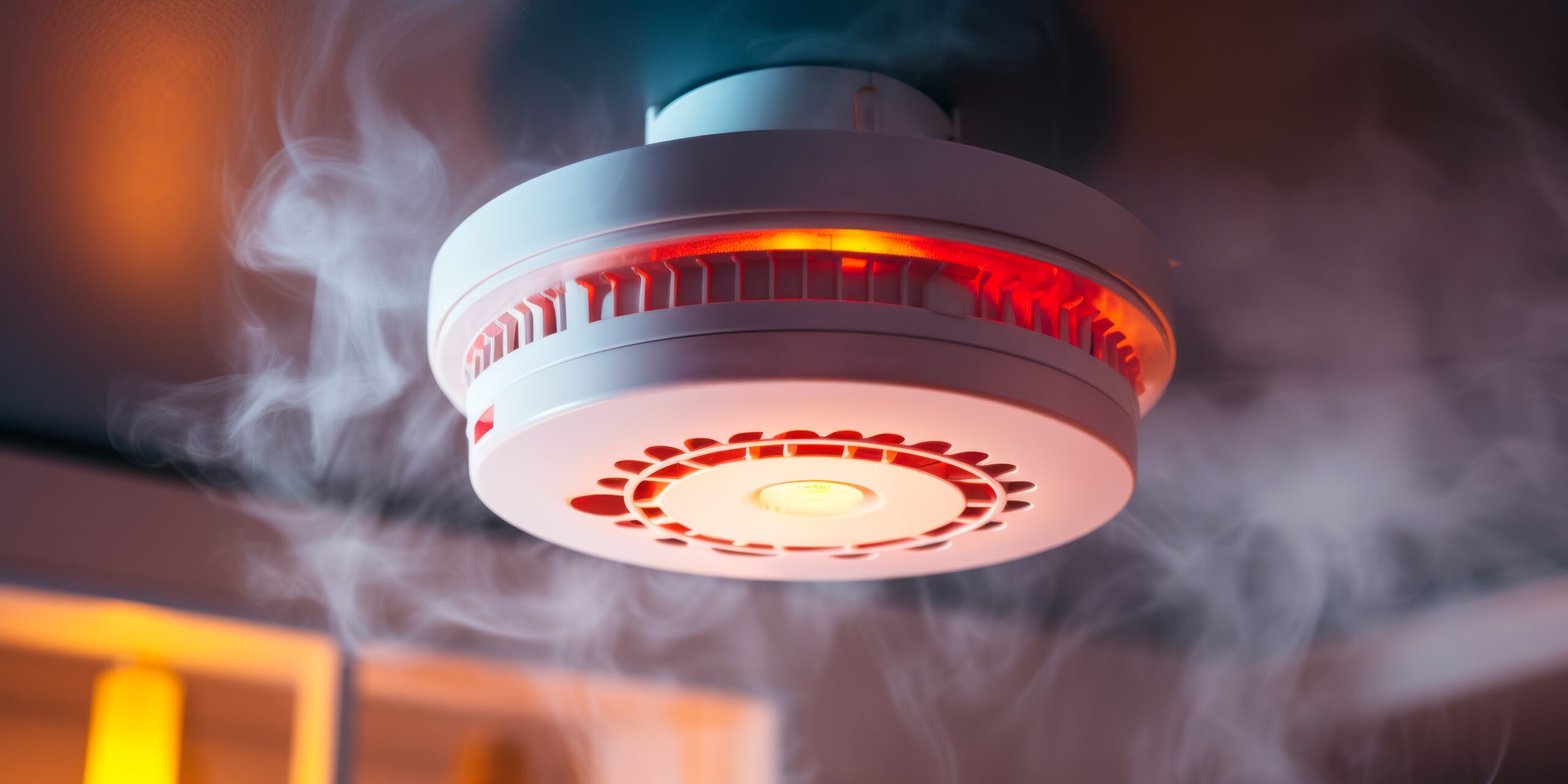
In homes, smoke detectors help protect families, especially at night when people are asleep and may not notice the signs of a fire. In workplaces, they help safeguard employees, customers, and property by alerting everyone to danger as quickly as possible. Early detection can significantly reduce injuries, save lives, and minimize damage to buildings and equipment.
However, a smoke detector is only effective if it is properly maintained. Test your detectors regularly, replace batteries as needed, and ensure the units are replaced according to the manufacturer’s recommendations. Every second counts during a fire, and a smoke detector can provide the critical warning needed to make a safe escape.
Simply put, smoke detectors save lives. Installing and maintaining them is a small investment that can make a life-changing difference in an emergency.
How to choose a smoke detector?
1. Choose the Right Detection Type
– Photoelectric smoke detectors are excellent at detecting slow, smoldering fires, such as those caused by overheated wiring or cigarettes.
– Ionization smoke detectors respond faster to fast-flaming fires, such as grease or paper fires.
– Dual-sensor detectors combine both technologies and provide the best overall protection.
2. Look for Certification
Purchase detectors that meet recognized safety standards and are certified by reputable testing organizations.
3. Consider the Power Source
Battery-operated models are easy to install.
Hardwired models with battery backup provide continuous protection, even during power outages.
4. Additional Features
– Interconnected alarms sound throughout the building when one detector activates.
– Smart detectors can send alerts to your phone.
– Voice alerts can identify the location of a fire.
5. Match the Detector to the Location
– Install smoke detectors in bedrooms, hallways, living areas, and on every level of a building.
– Consider heat detectors in kitchens or garages where cooking fumes or vehicle exhaust may cause false alarms.
For most homes and workplaces, a dual-sensor, interconnected smoke detector with battery backup offers the highest level of protection. Remember to test alarms monthly and replace them according to the manufacturer’s recommendations, typically every 10 years.
How to test a smoke detector battery?
To test a smoke detector battery, follow these simple steps:
- Press the Test Button
- Locate the TEST button on the smoke detector.
- Press and hold it for several seconds.
- A loud alarm should sound. If the sound is weak, intermittent, or absent, replace the battery immediately.
- Listen for Low-Battery Warnings
- Most smoke detectors emit a chirp or beep every 30 to 60 seconds when the battery is low.
- Do not ignore these warning sounds.
- Replace and Retest
- Install a fresh battery, ensuring it is the correct type specified by the manufacturer.
- Press the TEST button again to confirm the detector is working properly.
- Monthly Testing
- Fire safety experts recommend testing every smoke detector at least once a month.
Important: Never test a smoke detector by removing the battery and assuming it works because a light is on. The TEST button checks the detector’s electronics, alarm, and battery together.
As a general rule, replace batteries at least once a year unless you have a sealed 10-year battery model, and replace the entire smoke detector approximately every 10 years, according to the manufacturer’s recommendations. A few minutes of testing each month can help ensure your detector is ready when you need it most.
How to check if a smoke detector is working?
The easiest way to check if a smoke detector is working is to press and hold the TEST button for a few seconds. A loud, piercing alarm should sound immediately. If the alarm is weak, intermittent, or silent, replace the battery or the entire unit if necessary.
2. Check the Power Indicator
Most smoke detectors have a small LED light that blinks periodically. This flashing light indicates that the detector is receiving power. Refer to the manufacturer’s instructions for your specific model.
3. Test the Battery
If your smoke detector uses replaceable batteries, install a fresh battery and test the unit again. If the alarm still doesn’t sound, you may need to replace the detector.
4. Keep the Detector Clean
Dust, dirt, and insects can interfere with smoke detector performance. Gently vacuum the detector or use compressed air to remove debris.
5. Replace Old Smoke Detectors
Most manufacturers recommend replacing smoke detectors every 10 years, even if they appear to be working properly.
Fire Safety Tip
Test your smoke detector once a month, replace batteries as needed, and never ignore a low-battery warning beep. Regular maintenance can help protect lives, reduce fire-related injuries, and provide valuable time to evacuate safely during an emergency.
What Causes a Smoke Detector to Go Off? Common Reasons Your Smoke Alarm Is Beeping or Sounding
A smoke detector is designed to alert you to potential fire hazards, but sometimes it can go off even when there is no fire. Understanding the common causes can help you maintain your smoke alarm and reduce false alarms while keeping your home or workplace safe.
1. Smoke from Cooking
One of the most common reasons a smoke detector goes off is cooking smoke. Burnt food, frying, grilling, or excessive steam from cooking can trigger the alarm, especially if the detector is located near the kitchen.
2. Actual Fire or Smoke
Smoke detectors are designed to sense smoke particles from fires. If your alarm sounds unexpectedly, always assume there may be a fire and investigate safely.
3. Low Battery
A low battery can cause many smoke detectors to chirp or beep at regular intervals. Replacing the battery promptly helps ensure reliable fire protection.
4. Dust and Dirt Buildup
Dust, cobwebs, insects, and other debris inside the detector can interfere with its sensors, causing false alarms or random beeping.
5. Steam and Humidity
Hot showers, steam from cooking, and high humidity levels can sometimes trigger smoke alarms, particularly when detectors are installed too close to bathrooms or kitchens.
6. Aging Smoke Detector
Most smoke detectors should be replaced every 10 years. Older units may become less reliable and produce nuisance alarms.
7. Electrical Issues
Hardwired smoke detectors may sound unexpectedly due to power fluctuations, wiring problems, or a failing backup battery.
How to Prevent False Smoke Alarms
- Test your smoke detector monthly.
- Replace batteries as recommended.
- Clean detectors regularly.
- Install smoke alarms away from kitchens and bathrooms when possible.
- Replace detectors older than 10 years.
Final Thoughts
If your smoke detector goes off, never ignore it. While false alarms can occur, a functioning smoke alarm is one of the most effective tools for fire safety. Regular maintenance and proper placement help ensure your smoke detector provides early warning when it matters most.
How to Clean a Smoke Detector?
A clean smoke detector is essential for protecting your home or workplace from fire hazards. Dust, dirt, cobwebs, and insects can accumulate inside the alarm over time, causing false alarms, random beeping, or reduced performance. Learning how to clean a smoke detector properly can help ensure it works when you need it most.
Why Cleaning Your Smoke Detector Is Important
Regular smoke detector maintenance helps:
- Reduce false alarms
- Improve smoke detection accuracy
- Extend the life of the detector
- Maintain reliable fire protection
- Prevent dust and debris from blocking sensors
How to Clean a Smoke Detector
Step 1: Turn Off the Power
If you have a battery-operated smoke detector, remove the battery. For hardwired units, switch off the power at the breaker before cleaning.
Step 2: Remove Dust and Debris
Use a vacuum cleaner with a soft brush attachment to gently remove dust from the outside vents and openings.
Step 3: Use Compressed Air
Spray short bursts of compressed air into the detector’s vents to dislodge dust, dirt, and small insects trapped inside.
Step 4: Wipe the Exterior
Use a dry or slightly damp microfiber cloth to clean the outside of the smoke detector. Avoid using harsh chemicals or cleaning solutions.
Step 5: Reinstall and Test
Replace the battery or restore power. Press the TEST button to confirm the smoke detector is functioning correctly.
How Often Should You Clean a Smoke Detector?
For best results, clean your smoke detector every six months and test it monthly. Homes with pets, smokers, or high dust levels may require more frequent cleaning.
Common Cleaning Mistakes to Avoid
- Never paint a smoke detector.
- Do not use water inside the unit.
- Avoid spraying cleaning products directly on the detector.
- Never remove internal electronic components.
Final Thoughts
Keeping your smoke detector clean is a simple but important part of fire safety. Regular cleaning and testing help prevent false alarms and ensure your smoke alarm can provide an early warning during an emergency.